Excelling at Marine Construction: Planning and Constructing Premier Seawalls, Docks, and Boat Lifts
Marine construction requires a nuanced understanding of numerous key components. Material choices, environmental factors, and regulatory requirements all play critical roles. Achieving successful outcomes depends on mitigating corrosion and ensuring structural integrity. Innovative approaches are emerging, but challenges remain. How can builders effectively integrate sustainability while maintaining functionality? These insights may transform the standards of the industry.
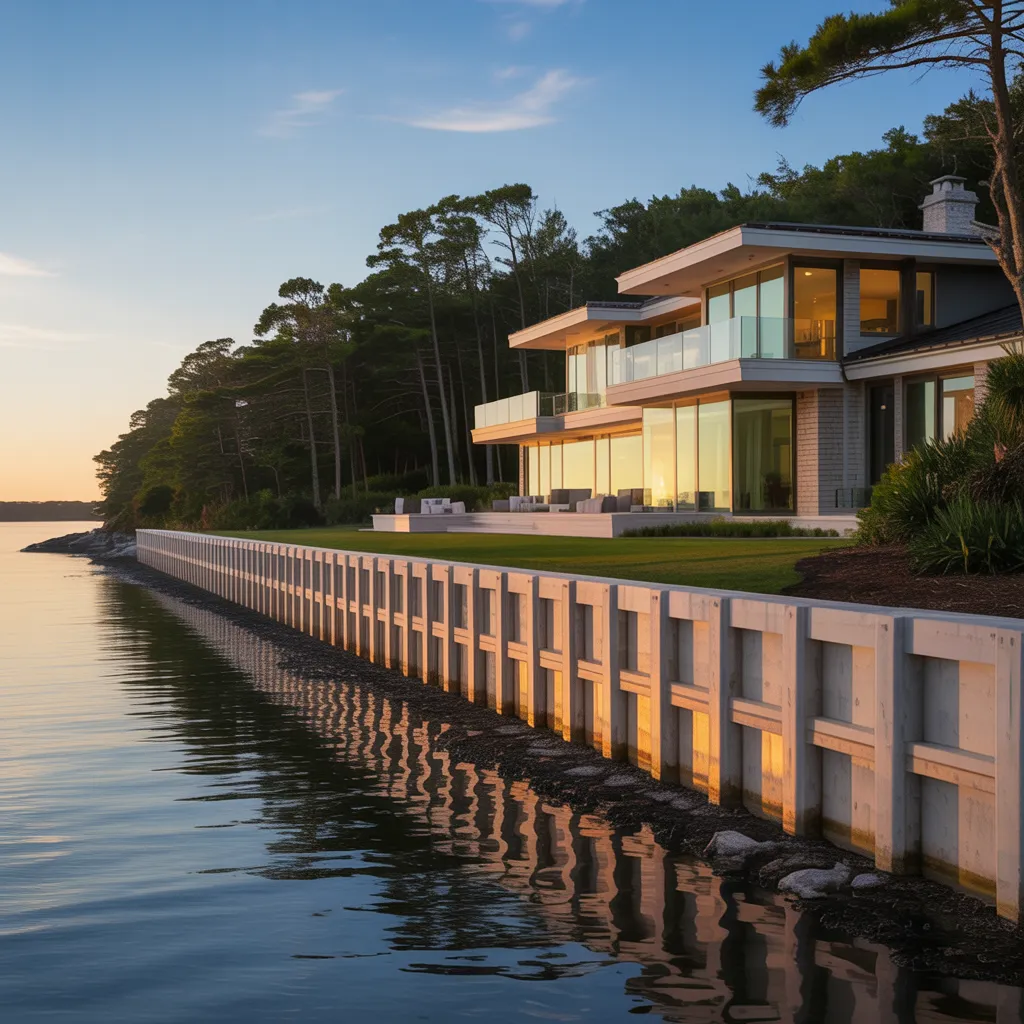
Exploring Aquatic Environments: Key Elements to Consider
Marine surroundings pose unique obstacles and considerations for construction initiatives. Elements including tidal fluctuations, wave activity, and water currents significantly affect design and installation procedures. The salt content of ocean water may cause rapid deterioration of materials, requiring thoughtful choices of construction approaches and protective strategies. Additionally, sediment movement and erosion can impact the stability of structures like docks and seawalls, requiring thorough site assessments prior to construction.
Environmental rules also play a vital role, demanding adherence to regulations that safeguard aquatic ecosystems. This involves accounting for local wildlife habitats and water quality throughout the planning phase. Moreover, accessibility for construction equipment and personnel is often restricted in marine environments, introducing additional challenges to the execution of projects. Overall, understanding these key factors is essential for ensuring marine construction success, making certain that built structures are durable, safe, and environmentally conscious.
What Materials Should You Choose for Docks and Seawalls?
Picking the ideal options for marine structures is essential for providing effectiveness and durability. Multiple choices exist, each offering their own strengths and potential weaknesses. Furthermore, environmental factors play a crucial role in selecting materials that minimize ecological impact while providing structural integrity.
Optimal Material Selections
When selecting the right materials for docks and seawalls, it is essential to consider important aspects like strength, environmental effects, and maintenance needs. Frequently used materials include pressure-treated wood, which delivers a traditional aesthetic yet may necessitate frequent care. Concrete is favored for its strength and longevity, making it ideal for heavy loads and harsh conditions. Vinyl and composite options offer a reduced-upkeep choice, resistant to rot and corrosion, though upfront expenses can be greater. Steel, particularly galvanized or marine-grade, is robust and suitable for industrial applications, yet it needs protective treatments to avoid corrosion. At its core, the best material choice relies on individual location factors, designated purpose, and financial considerations, guaranteeing performance and durability in aquatic settings.
Green Considerations
While environmental considerations play an essential role in the choice of materials for marine structures and seawalls, the impact on local ecosystems must not be underestimated. Sustainable materials like natural stone, recycled plastics, and treated wood often prove to be preferred choices. These materials not only minimize ecological disruption but also enhance durability against harsh marine conditions. For instance, using permeable surfaces can limit runoff while improving water quality. Additionally, opting for non-toxic coatings and applications helps protect aquatic life. It is critically important to examine the particular ecological setting, including local flora and fauna, before making material selections. By prioritizing eco-friendly options, marine construction can align with ecological principles, ensuring that construction benefits rather than damages the neighboring environment.
Important Regulations and Permits for Marine Construction
Within the marine construction industry, familiarizing yourself with critical regulations and permits is essential for successful project execution. Local zoning laws determine where construction of docks and seawalls is allowed, while ecological impact evaluations examine the potential impact on local ecology. Navigating the permit application process is vital to maintain conformity with all legal requirements.
Local Zoning Regulations
Local zoning ordinances are fundamentally important in the marine construction industry, particularly in the design and construction of seawalls and docks. These laws dictate land utilization, defining where and how marine structures can be built. Adherence to local zoning laws ensures that building projects are consistent with community goals, environmental protection, and land development standards. Particular permits are frequently necessary, which may require the submission of detailed plans for evaluation by local officials. Zoning laws frequently address concerns such as structure height, property boundaries, and setback requirements. Neglecting to follow these regulations can lead to consequences such as fines or the removal of unauthorized structures. Consequently, familiarizing oneself with local zoning laws is vital for achieving success in marine construction projects.
Environmental Impact Evaluations
Environmental Impact Evaluations (EIAs) serve as vital parts in the marine building process, especially for initiatives that include docks and seawalls. These evaluations examine the potential environmental effects of anticipated construction projects on regional ecosystems, water conditions, and natural habitats. Regulatory bodies commonly demand EIAs to guarantee compliance with environmental laws and standards. The methodology commonly includes gathering information on current conditions, public stakeholder engagements, and determining remediation approaches for potential negative effects. EIAs fulfill a critical purpose in advancing environmentally responsible marine building, assisting developers in reaching educated conclusions that align with environmental conservation efforts. Through emphasizing environmental factors, EIAs aid in reconciling developmental requirements with the safeguarding of coastal habitats.
Permit Submission Process
Navigating the application process for waterway construction demands thorough consideration of essential rules and permits that govern such ventures. This process typically involves obtaining approvals from municipal, state, and federal bodies, maintaining conformance with ecological statutes and land-use regulations. Candidates are required to submit thorough plans and paperwork, including location assessments and ecological impact reports. Key permits often include those from the U.S. Army Corps of Engineers, state-level environmental bodies, and municipal planning commissions. Timelines can vary, so proactive communication with governing agencies is critical for ensuring efficient authorizations. Furthermore, public consultation may be necessary, permitting affected parties to raise issues. Skillfully managing this complex landscape is essential for any marine construction project to proceed legally and efficiently.
Design Principles for Durable and Aesthetic Marine Structures
Constructing marine structures that are both durable and aesthetically pleasing requires thoughtful attention to design fundamentals. First, materials must be chosen based on their ability to withstand demanding marine conditions, such as corrosion-resistant metals and treated wood. Structural integrity is paramount; structures should feature balanced weight distribution to endure the pressures of waves and water flow.
Moreover, visual appeal plays a crucial role in the total visual impact of maritime installations. Integrating natural elements, like landscaping and color palettes that harmonize with the surrounding landscape, enhances visual harmony.
Additionally, the importance of functionality cannot be ignored; designs ought to enable convenient access and usability while upholding user safety standards.
In conclusion, environmentally responsible approaches must be embedded within the design framework, employing sustainable materials and reducing ecological footprint. When merging resilience with pleasing aesthetics, marine construction projects can achieve longevity and visual satisfaction, successfully addressing both functional and ecological requirements.
Essential Tips for Installing Marine Structures
Properly installing marine structures requires adherence to a set of best practices that guarantee both functionality and longevity. First, thorough site assessments are essential, including soil testing and hydrological studies, to inform design choices. Accurate measurements and alignment during construction prevent structural issues and enhance stability. Using superior materials capable of withstanding corrosion and marine wear is critical for achieving lasting durability.
Additionally, employing skilled experts assures that the setup follows applicable regulations and safety guidelines. Appropriate anchoring systems should be incorporated to endure natural forces, such as ocean waves and water currents.
Finally, regular assessments throughout and following installation can detect potential issues at an early stage, enabling necessary adjustments before they escalate. By following these professional guidelines, marine construction professionals can ensure find the information that seawalls, boat lifts, and docks perform effectively while enduring the pressures presented by marine environments.
Key Maintenance Strategies to Extend the Longevity of Marine Structures
Upon verifying the correct placement of nautical structures, continuous upkeep is essential for maximizing their lifespan. Periodic checks should be carried out to identify signs of wear, such as splits, oxidation, or unstable fixtures. Addressing these issues promptly can stop additional structural harm. Maintaining cleanliness of marine structures is just as critical; eliminating accumulated debris and biological growth supports the overall durability and attractive appearance of the structures.
Moreover, utilizing protective treatments can defend exposed surfaces from challenging saltwater environments. For wooden components, coating with protective preservatives will deter insect damage and rot. It is also essential to monitor and maintain any mechanical equipment, such as watercraft lifts, to ensure proper and safe functionality.
Moreover, seasonal maintenance, notably ahead of and following the winter season, can help prevent damage resulting from harsh weather conditions. By following these preservation measures, maritime installations can not only endure the elements but also provide reliable service for an extended period of time, thereby improving their value and usability.
Cutting-Edge Trends in Marine Construction: What's on the Horizon?
As the marine construction field progresses, innovative trends are emerging that promise to enhance both sustainability and efficiency in the design and installation of structures such as docks and seawalls. A notable trend involves the adoption of eco-friendly materials, like recycled plastics and sustainably sourced timber, which lower environmental impact while upholding structural integrity. Additionally, advancements in modular construction techniques enable faster, more flexible installations, minimizing disruptions to marine ecosystems.
Another significant development is the incorporation of smart technology. Monitoring systems and sensors can deliver real-time data on environmental conditions and structural health, supporting proactive maintenance and reducing long-term costs. Additionally, biophilic design principles are gaining traction, encouraging structures that integrate with surrounding ecosystems and benefit native wildlife.
Together, these developments point to a shift towards increasingly responsible and forward-thinking marine construction approaches, defining a new precedent for projects to come and tackling the increasing demands brought about by urbanization and climate change.
Common Questions and Answers
How Do Tides Affect Dock Design and Installation
Tidal patterns significantly impact dock design and installation by determining elevation, structural stability, and accessibility. Designers must consider tidal ranges to ensure functionality and safety, adjusting structures to handle fluctuating water levels and environmental factors.
What Environmental Effects Does Marine Construction Have?
Coastal development can disrupt local ecosystems, change aquatic circulation, and impact the movement of sediments. Additionally, it may lead to the destruction of natural habitats for marine life and lead to environmental contamination, necessitating thorough ecological evaluations and responsible construction methods.
Can I Construct a Dock Without Hiring a Professional Contractor?
Constructing a dock without the help of a professional contractor is achievable, but it requires thorough knowledge of regional regulations, structural integrity, and environmental factors. DIY construction can result in serious safety hazards and compliance issues if not executed correctly.
How Do I Choose the Right Location for My Boat Lift?
To select the optimal spot for a marine lift, it is important to consider the depth of the water, distance from navigational waterways, tidal variations, and nearby obstructions. In addition, evaluating regional guidelines and ecological impact is essential for ideal installation.
What Insurance Do I Need for Marine Construction Projects?
For marine construction undertakings, robust insurance typically includes general liability coverage, worker's compensation, and marine-specific policies. This safeguards against possible damages, unforeseen accidents, and liability claims, securing financial peace of mind throughout the project and into the future.